

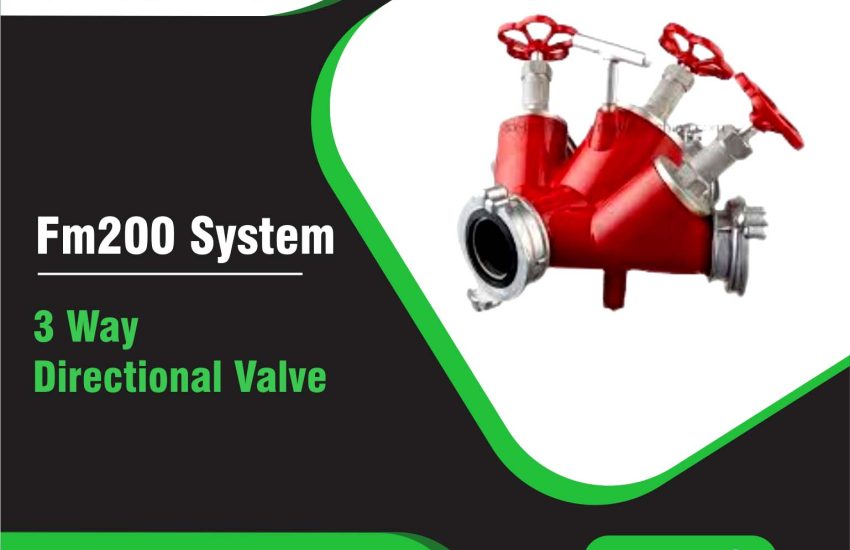
3 Way Directional Valve is essential in fluid power systems for controlling the flow of liquids or gases. It helps direct fluid flow between different components, making it a key element in both hydraulic and pneumatic systems. This article explores the specifications, features, and applications of a 3-way directional valve, providing insights into its role in various industries.
What is a 3-Way Directional Valve?
A 3-way directional valve controls fluid flow in a three-port setup. The valve can either direct the fluid between ports or block the flow entirely, depending on its position. Typically, it has three ports: an inlet port, an outlet port, and an exhaust port. These valves are commonly used in both hydraulic and pneumatic systems where precise control of fluid flow is necessary.
Types of 3-Way Directional Valves
There are several types of 3-way directional valves, each designed to meet specific operational needs. These include:
- Normally Closed 3-Way Valve
In this type, the valve blocks fluid flow between the inlet and outlet when it is not actuated. The exhaust port remains open. - Normally Open 3-Way Valve
This valve allows fluid to flow between the inlet and outlet by default. The exhaust port remains closed until the valve is actuated. - Double-Acting 3-Way Valve
This type can direct fluid to two outlets, providing more control over the flow path.
Key Specifications of 3-Way Directional Valves
When selecting a 3-way directional valve, understanding its specifications is crucial for optimal performance. Key factors to consider include:
1. Port Size and Type
Port size affects the flow rate and compatibility with other components. Common sizes include 1/4-inch, 1/2-inch, and 3/4-inch. Ports may also be threaded (e.g., NPT, BSPT) or flanged, depending on the application.
2. Pressure Rating
The pressure rating indicates the maximum pressure the valve can handle. Typical ratings range from 100 psi to 5000 psi, depending on the material and design of the valve.
3. Flow Rate
The flow rate indicates how much fluid can pass through the valve per unit of time. It is measured in gallons per minute (GPM) or liters per minute (LPM). Matching the valve’s flow rate with system requirements ensures efficient operation.
4. Actuation Type
The actuation method determines how the valve operates. Common types include:
- Manual Actuation: Operated using a lever or knob.
- Electric Actuation: Uses a solenoid to control the valve.
- Pneumatic Actuation: Actuated using compressed air.
- Hydraulic Actuation: Uses hydraulic pressure for operation.
5. Material of Construction
The material of the valve affects its durability and resistance to corrosion. Common materials include brass, stainless steel, and aluminum, each offering different benefits depending on the operating conditions.
6. Seal Material
The seal material ensures leak prevention. Common seal materials are Nitrile, Viton, EPDM, and PTFE, chosen based on fluid compatibility and temperature conditions.
7. Flow Control Features
Some valves include additional features like adjustable flow rates, pressure relief, or integrated check valves to enhance control and protect the system.
8. Temperature Range
The operational temperature range varies from -40°C to 150°C, with some valves capable of withstanding higher temperatures for specific applications.
9. Mounting Options
Valves can be mounted in various ways, including inline, panel-mounted, or manifold-mounted. The mounting option depends on space and system design.
Advantages of 3-Way Directional Valves
- Versatility: These valves can manage a wide range of flow control tasks, making them highly adaptable to various systems.
- Compact Design: Their small size fits into tight spaces, making them ideal for applications with limited space.
- Increased Efficiency: They help optimize fluid flow, resulting in improved energy efficiency and smoother operations.
- Reliability: A well-designed 3-way valve ensures long-lasting, reliable performance in demanding environments.
Applications of 3-Way Directional Valves
3-way directional valves are used across various industries due to their versatility in fluid control. Some common applications include:
1. Hydraulic Systems
In hydraulic power units and actuators, 3-way valves control the direction of fluid flow, enabling precise operation of cylinders and motors.
2. Pneumatic Systems
These valves direct the flow of compressed air in pneumatic actuators and control systems, powering machinery and tools in automated environments.
3. Machine Tools
In CNC machines and robotic arms, 3-way directional valves manage fluid flow to actuators, enabling the precise movement of components.
4. Agricultural Equipment
In farming machinery like tractors and harvesters, 3-way valves control hydraulic actuators, providing fluid flow management for various functions.
5. Automotive Applications
In brake systems, clutch systems, and cooling systems, 3-way directional valves regulate the flow of fluid or air, improving vehicle performance.
6. Manufacturing and Assembly Lines
In production lines, 3-way valves are used to control fluid flow to automated systems such as conveyors, presses, and lifts.
Conclusion
The 3-way directional valve plays an essential role in regulating fluid flow across a wide range of systems. Whether used in hydraulic, pneumatic, or industrial applications, these valves ensure efficient, reliable performance. By understanding the valve’s key specifications—port size, pressure rating, flow rate, actuation type, and material—you can select the right valve for your specific needs. With its versatility and robust design, a 3-way directional valve optimizes system performance, reduces energy consumption, and enhances operational efficiency.
