

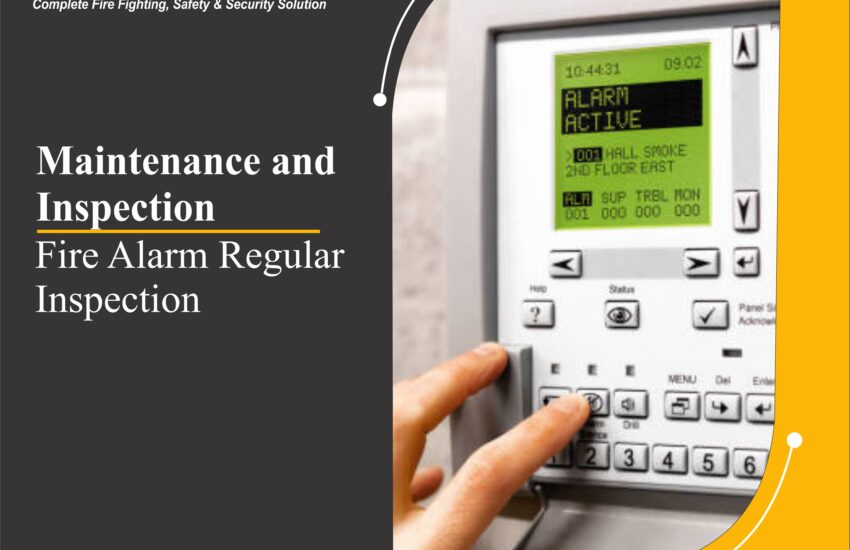
Fire Alarm Regular Inspection. you can ensure that your system detects smoke, heat, or fire effectively, giving occupants valuable time to evacuate safely. Regular inspections not only protect lives but also maintain compliance with local fire safety regulations and insurance requirements.
Why Regular Fire Alarm Inspections Are Important
Fire alarms operate silently in the background, but their importance becomes clear during an emergency. Without regular inspections, even small faults can prevent alarms from working correctly when you need them most. Routine inspections help identify system errors early, such as faulty sensors, low battery power, or wiring issues.
Regular inspections also provide many benefits. They help detect fire risks early, extend the lifespan of your fire alarm system, reduce false alarms, and ensure full compliance with fire safety standards. As a result, your property stays safer and your occupants remain protected.
Fire Alarm Inspection Checklist
A structured inspection routine ensures that every component of the system functions properly. Certified fire alarm technicians follow a detailed checklist to test each part of the system efficiently. Below are key steps included in a fire alarm regular inspection:
- Visual Check: Inspect control panels, detectors, and wiring for any signs of damage or corrosion.
- Alarm Sound Test: Make sure the alarm sounders operate properly in all areas of the building.
- Smoke and Heat Detectors: Test sensors for accurate detection and quick response.
- Power Supply: Check both the main and backup power sources, including batteries.
- Manual Call Points: Verify that manual call stations activate correctly.
- Control Panel Functions: Confirm that signals transmit properly to monitoring systems.
- System Reset: Ensure the system resets and returns to normal mode after testing.
Following this checklist helps maintain readiness and guarantees that your system functions without fail during an emergency.
How Often Should Fire Alarm Inspections Be Conducted?
Fire alarm inspections should take place at least every six months, though certain high-risk environments such as hospitals, factories, and schools may require more frequent checks. In addition, visual inspections should be performed weekly or monthly to identify any visible issues before they become serious.
Following a regular schedule ensures that your building stays compliant with fire safety regulations like NFPA 72 and BS 5839. By staying consistent, you also build confidence in your fire protection system.
Who Should Perform Fire Alarm Inspections?
Only certified and qualified professionals should conduct fire alarm inspections. These technicians have the expertise and tools necessary to evaluate, calibrate, and certify fire alarm systems accurately. Working with a licensed fire protection company ensures that your system receives the attention and precision it needs.
Professional inspection services not only maintain your safety but also provide you with official reports and recommendations for future maintenance or upgrades.
Documentation and Record Keeping
After every inspection, it’s crucial to maintain proper documentation. Each report should include the date of inspection, technician information, system results, any issues discovered, and the next scheduled inspection. Keeping these records demonstrates compliance with legal and insurance requirements and provides a clear maintenance history.
An up-to-date fire alarm inspection logbook also helps during audits and ensures accountability for every service performed.
Regular fire alarm inspections are essential for protecting both life and property. By scheduling consistent maintenance, partnering with certified technicians, and maintaining proper records, you can ensure that your fire alarm system operates efficiently and reliably.
