

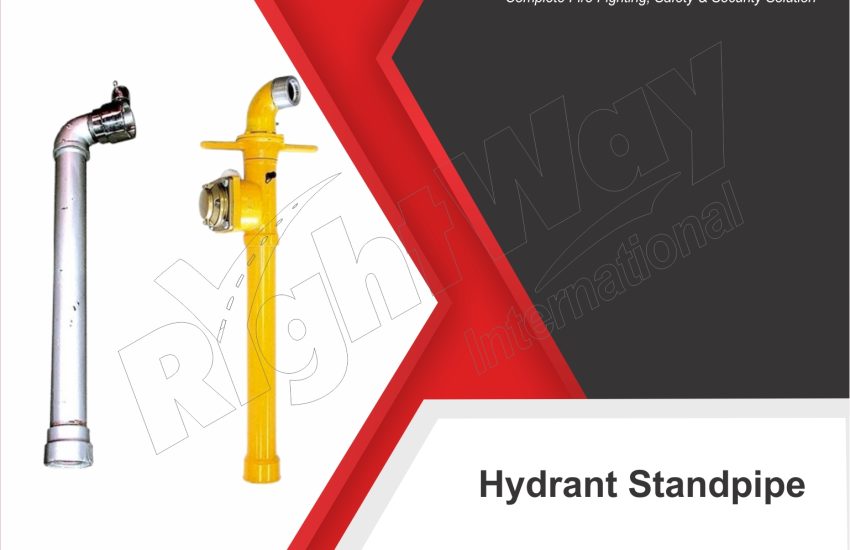
Hydrant Standpipe In the world of fire protection, hydrant standpipes play a vital role in ensuring that first responders have immediate access to water during emergencies. These systems provide a reliable source of water for firefighting, especially in large buildings and areas with inadequate fire hydrant coverage. In this article, we’ll explore the importance of hydrant standpipes, their components, types, and maintenance tips, while incorporating essential keywords for optimal SEO performance.
What is a Hydrant Standpipe?
A hydrant standpipe is a vertical pipe system that connects to a water supply and provides access to water for firefighting purposes. It is typically located in buildings or structures where traditional fire hydrants may not be accessible. Standpipes can be equipped with hoses and nozzles, allowing firefighters to quickly deploy water to combat fires.
Importance of Hydrant Standpipes
- Immediate Water Access: Standpipes provide firefighters with quick access to water in high-rise buildings and other structures.
- Enhanced Firefighting Capability: With standpipes, first responders can operate hoses from various floors, improving their ability to combat fires at different elevations.
- Increased Safety: Standpipes reduce the need for long hose lays, minimizing potential hazards and improving efficiency during fire suppression efforts.
Types of Hydrant Standpipes
Hydrant standpipes come in several types, each designed for specific applications:
- Wet Standpipes: These systems are always filled with water, allowing for immediate use during a fire. They are commonly found in buildings where freezing temperatures are not a concern.
- Dry Standpipes: These systems are empty until needed. Firefighters can connect a hose and fill the system with water on demand. Dry standpipes are ideal for colder climates where water may freeze.
- Combination Standpipes: These systems incorporate both wet and dry standpipe features, providing flexibility depending on the building’s fire protection needs.
Key Components of Hydrant Standpipes
Understanding the components of hydrant standpipes can help in their effective use and maintenance:
- Vertical Pipe: The main structure that transports water to various floors or areas of a building.
- Hose Connections: Located at various heights, these connections allow firefighters to attach hoses quickly.
- Control Valves: Used to regulate the flow of water, ensuring that firefighters can manage the water supply effectively.
- Drainage System: Essential for dry standpipes, this system prevents water from accumulating in the pipe when not in use.
Maintenance Tips for Hydrant Standpipes
Regular maintenance of hydrant standpipes is crucial to ensure they function correctly during emergencies. Here are some essential maintenance tips:
- Routine Inspections: Regularly check standpipes for signs of wear, corrosion, or damage.
- Test Water Flow: Conduct flow tests to ensure adequate water pressure and volume are available.
- Clear Blockages: Inspect and clean hose connections and valves to prevent blockages that can impede water flow.
- Labeling: Ensure all standpipe components are properly labeled for easy identification by firefighters during emergencies.
Conclusion
Hydrant Standpipe are an essential component of fire safety systems, providing reliable access to water in emergencies. By understanding their importance, types, and maintenance requirements, you can help ensure that your building is well-prepared for any fire-related incidents.
