Category: Breathing Apparatus Items

  • Full Face Mask (PPE)

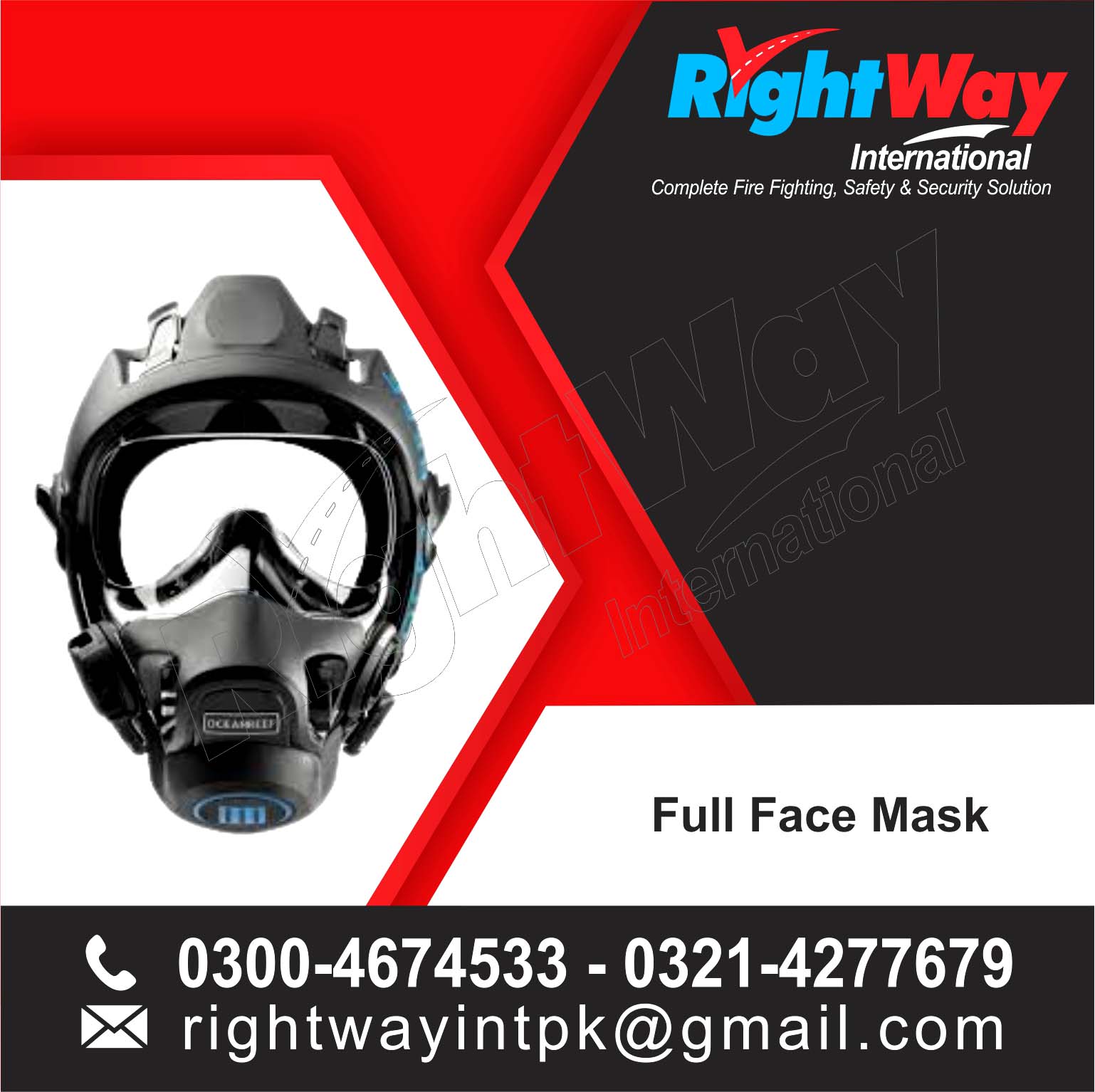
    Full Face Mask (PPE)

    Full Face Mask (PPE) is a critical piece of personal protective equipment (PPE) designed to cover the entire face, including the eyes, nose, and mouth. Full face masks are widely used in various industries, including healthcare, firefighting, construction, and manufacturing, to protect against hazardous substances, airborne particles, and infectious agents. Understanding the features, applications, and maintenance of full face masks is essential for ensuring safety and compliance.

    What is a Full Face Mask?

    A full face mask provides respiratory protection and a barrier against contaminants. Key components of a full face mask include:

    • Facepiece: Covers the entire face, providing a secure seal and protection.
    • Filter or Cartridge: Removes harmful particles or gases from the air.
    • Head Harness: Ensures a snug fit for optimal performance.
    • Visor: Offers clear visibility while protecting the eyes.

    Applications of Full Face Masks

    Full face masks are used in various settings, including:

    • Healthcare: Protects healthcare workers from infectious diseases and airborne pathogens.
    • Firefighting: Shields firefighters from smoke, heat, and toxic gases.
    • Construction: Prevents inhalation of dust, chemicals, and hazardous materials.
    • Industrial Work: Used in environments with chemical exposure or respiratory hazards.

    Key Features of Full Face Masks

    When choosing a full face mask, consider the following features:

    1. Fit and Comfort: A proper fit is crucial for effectiveness; adjustable straps and cushioning improve comfort.
    2. Visibility: Anti-fog visors enhance visibility, especially in challenging conditions.
    3. Filter Options: Various filters and cartridges are available to address specific contaminants.
    4. Durability: Manufacturers should use sturdy materials to ensure masks can withstand wear and tear.

    Choosing the Right Full Face Mask

    Selecting the appropriate full face mask involves assessing specific needs. Consider these factors:

    • Type of Hazard: Identify the specific risks, such as chemicals, particulates, or biological agents.
    • Duration of Use: Choose a mask designed for the expected length of exposure.
    • User Training: Ensure that personnel receive training on the proper usage and maintenance of full face masks.

    Maintenance and Care of Full Face Masks

    Proper maintenance is essential for ensuring the reliability and longevity of full face masks. Follow these guidelines:

    1. Regular Inspections: Check for damage, wear, or improper fit before each use.
    2. Cleaning: Clean the mask according to the manufacturer’s instructions to prevent contamination.
    3. Filter Replacement: Change filters and cartridges as recommended to maintain effectiveness.
    4. Storage: Store masks in a cool, dry place to protect them from damage.

    Conclusion

    Full Face Mask (PPE) are a vital component of workplace safety in hazardous environments. By understanding their features, applications, and maintenance requirements, organizations can enhance safety and compliance. Investing in high-quality full face masks and ensuring proper training is essential for protecting workers from various health risks.
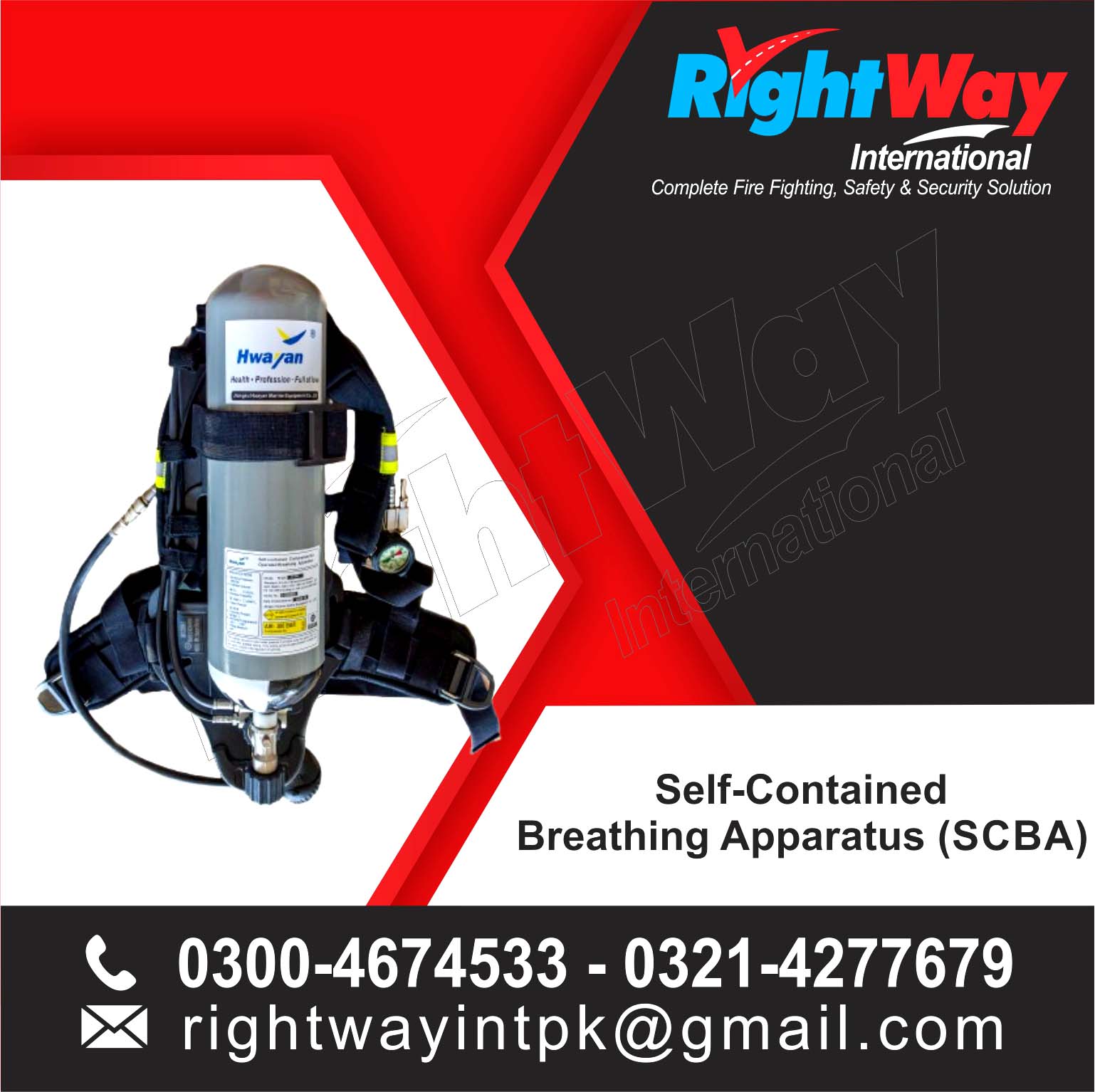

  • Self-Contained Breathing Apparatus (SCBA)

    Self-Contained Breathing Apparatus (SCBA)

    Self-Contained Breathing Apparatus (SCBA) is an essential piece of safety equipment used in various hazardous environments. SCBAs are crucial for firefighters, industrial workers, and rescue personnel who may encounter toxic gases, smoke, or low-oxygen atmospheres. Understanding the components, applications, and maintenance of SCBA systems is vital for ensuring safety and compliance in the workplace.

    What is Self-Contained Breathing Apparatus (SCBA) ?

    Self-Contained Breathing Apparatus (SCBA) is a type of respiratory protective equipment that supplies breathable air in dangerous environments. An SCBA typically consists of:

    • Air Tank: Stores compressed air, providing a clean air supply.
    • Regulator: Controls the flow of air from the tank to the user.
    • Face piece: Covers the mouth and nose, ensuring a tight seal.
    • Harness System: Secures the SCBA to the user’s body for comfort and mobility.

    Applications of Self-Contained Breathing Apparatus (SCBA):

    SCBA is used in various industries and situations, including:

    • Firefighting: Essential for firefighters entering smoke-filled or hazardous environments.
    • Hazardous Material Handling: Used in industries dealing with chemicals and toxic substances.
    • Rescue Operations: Provides a safe air supply for rescue workers in confined spaces.
    • Mining Operations: Protects miners from harmful gases and low oxygen levels.

    Key Features of SCBA:

    When selecting an SCBA, consider the following features:

    1. Air Supply Duration: The length of time the SCBA can provide breathable air, typically ranging from 30 to 90 minutes.
    2. Comfort and Fit: Importance of a secure fit and comfort for extended use.
    3. Visibility: Clear face pieces and integrated communication systems for effective communication in emergencies.
    4. Durability: Resistance to impact, heat, and chemicals for long-lasting use.

    Choosing the Right SCBA:

    Selecting the appropriate SCBA depends on specific needs and applications. Consider the following factors:

    • Type of Environment: Assess the hazardous conditions, such as chemicals, smoke, or confined spaces.
    • Duration of Use: Choose an SCBA that matches the expected duration of the operation.
    • User Training: Ensure that personnel receive training on the proper use and maintenance of SCBA equipment.

    Maintenance and Care of SCBA:

    Proper maintenance is crucial for the reliability and longevity of SCBA equipment. Follow these steps:

    1. Regular Inspections: Conduct daily checks for damage, leaks, and proper functioning.
    2. Air Quality Testing: Ensure the compressed air supply meets safety standards.
    3. Cleaning: Clean the face piece and harness regularly to prevent contamination.
    4. Annual Service: Schedule professional maintenance and testing annually to ensure compliance with safety regulations.

    Conclusion:

    Self-Contained Breathing Apparatus (SCBA) is a critical safety device for protecting personnel in hazardous environments. By understanding its components, applications, and maintenance, organizations can enhance workplace safety and ensure compliance with health regulations. Investing in high-quality SCBA equipment and proper training is essential for the safety of workers in potentially dangerous situations.

  • First Aid Box

    First Aid Box

    First Aid Box is a vital part of any emergency preparedness plan. It provides immediate access to medical supplies for treating injuries, managing health issues, and offering initial care until professional help arrives. Whether at home, in the workplace, or while traveling, a well-maintained first aid box can make a significant difference in handling emergencies quickly and effectively.


    What Is a First Aid Box?

    A first aid box—also known as a first aid kit—is a container filled with essential medical supplies. It is designed to treat minor injuries, manage health incidents, and stabilize serious conditions before emergency services arrive. Having one readily available helps individuals respond confidently in various situations.


    Why Is a First Aid Box Important?

    1. Immediate Response

    In emergencies, time matters. A fully stocked first aid box enables fast treatment, reducing the chance of complications and helping the injured recover more quickly.

    2. Emergency Preparedness

    Accidents are unpredictable. Whether you’re at home, in the car, or outdoors, a first aid box ensures you’re ready to act without delay.

    3. Health and Safety Compliance

    For businesses and public facilities, maintaining a first aid box is not just best practice—it’s often a legal requirement. Compliance supports workplace safety and minimizes legal risk.

    4. Peace of Mind

    Knowing that you can handle minor injuries or respond until help arrives brings peace of mind to families, employees, and individuals.


    Essential Contents of a First Aid Box

    A comprehensive first aid kit should include the following supplies:

    • Adhesive Bandages (assorted sizes): For minor cuts, scrapes, and blisters
    • Sterile Gauze Pads: To cover larger wounds
    • Adhesive Tape: For securing gauze or dressings
    • Antiseptic Wipes: For cleaning wounds
    • Antibiotic Ointment: To help prevent infection
    • Hydrocortisone Cream: For itching or inflammation
    • Burn Cream: For treating minor burns
    • Scissors: For cutting tape, bandages, or clothing
    • Tweezers: To remove splinters or debris
    • Thermometer: To check body temperature
    • Instant Cold Packs: To reduce swelling
    • Elastic Bandage: For wrapping sprains and strains
    • CPR Face Shield: For safe resuscitation efforts
    • First Aid Manual: Step-by-step care instructions
    • Disposable Gloves: For hygienic treatment
    • Pain Relievers (e.g., ibuprofen or acetaminophen)
    • Emergency Contact List: Including local medical services

    Maintaining Your First Aid Box

    To ensure your first aid box is always ready for use, follow these maintenance tips:

    1. Perform Regular Inspections

    Check your kit every few months. Look for expired medications, damaged packaging, or missing items. Replace them promptly.

    2. Restock Immediately After Use

    After any item is used, replace it as soon as possible. Keeping an inventory list inside the box can help track supplies.

    3. Store It Properly

    Keep your first aid box in a dry, clean, and easy-to-access location. At the same time, keep it out of reach of small children unless it’s designed for child use.

    4. Provide Basic Training

    Ensure everyone in your home or workplace knows where the kit is and how to use it. Consider attending a basic first aid course for hands-on knowledge.


    Conclusion

    A first aid kit is more than a convenience—it’s a lifesaving resource. When stocked and maintained correctly, it empowers individuals to act quickly and calmly in emergencies. Regular inspections, timely restocking, and basic training are essential steps in making sure your first aid kit serves its purpose when it matters most.

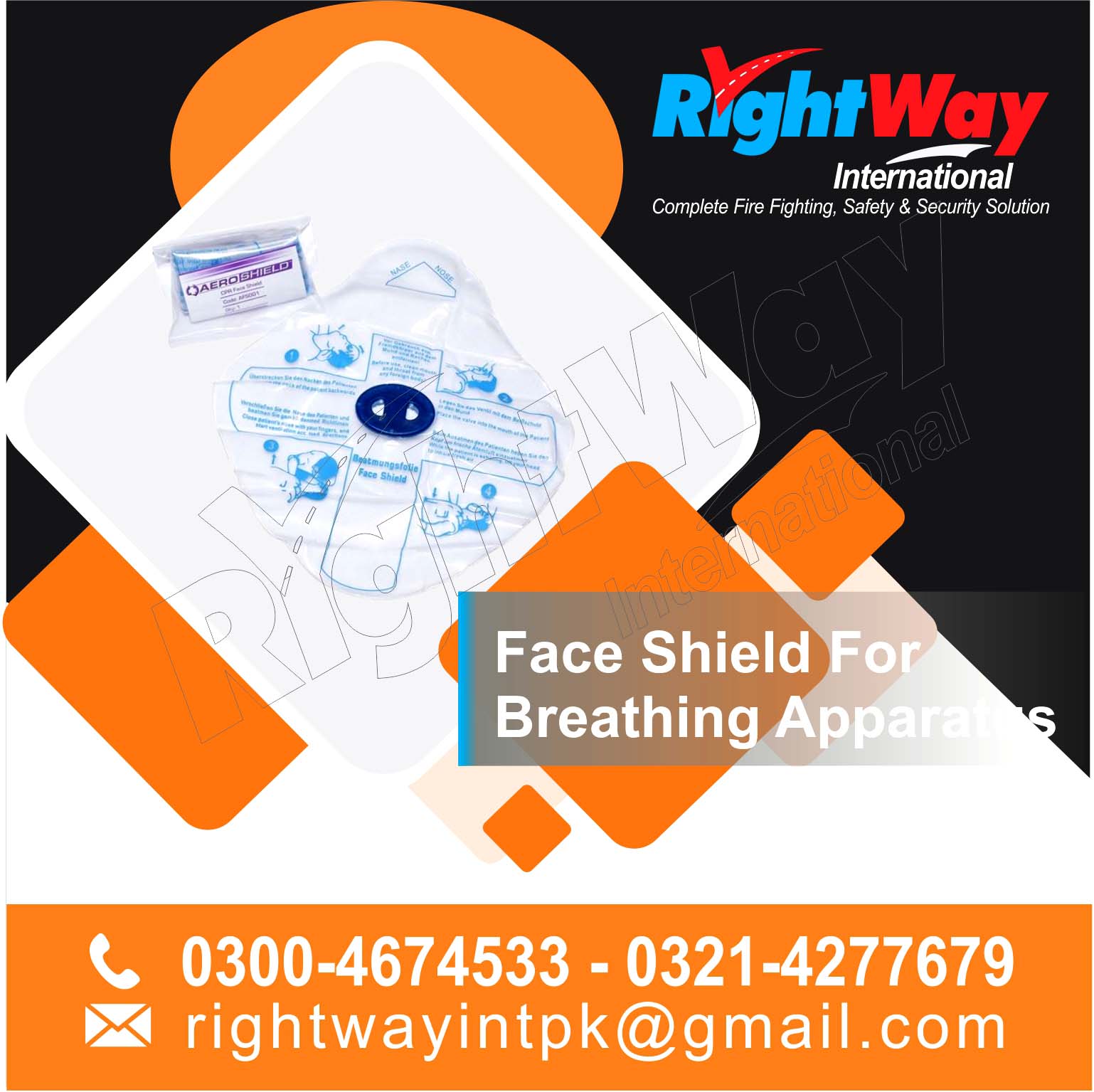
  • Face Shield for Breathing Apparatus

    Face Shield for Breathing Apparatus

    In hazardous environments where clean air is not guaranteed, a face shield becomes a vital part of a breathing apparatus system. Firefighters, emergency responders, and industrial workers rely on it to protect their face and eyes from heat, debris, and harmful substances—while still receiving clean air. This article explains the function, benefits, and maintenance of face shields in breathing apparatus systems.


    What Is a Face Shield for a Breathing Apparatus?

    A face shield is a transparent, protective cover that fits over the face. Made from durable materials such as polycarbonate or acrylic, it works alongside a Self-Contained Breathing Apparatus (SCBA). It shields the wearer’s eyes, skin, and airways from contaminants, heat, and physical hazards.


    Key Functions of a Face Shield

    1. Protection from Contaminants

    Face shields act as a barrier against chemicals, smoke, and biological agents. They prevent dangerous substances from contacting the face and eyes, thus reducing health risks.

    2. Resistance to High Temperatures

    In high-heat situations like firefighting, the face shield protects against burns by withstanding extreme temperatures.

    3. Clear Visibility

    Because they’re made of transparent material, face shields offer full visibility. This clarity is crucial for safe navigation in dangerous environments.

    4. Comfortable Fit

    Manufacturers design these shields to fit comfortably and securely. A proper fit reduces fatigue and helps the wearer move freely.


    Why Face Shields Are Important

    Enhanced Protection

    Face shields protect vulnerable areas like the eyes, nose, and mouth. As a result, workers can focus on their tasks with reduced risk of exposure.

    Regulatory Compliance

    In many industries, using face shields with SCBA systems helps meet health and safety regulations. This ensures both legal compliance and employee safety.

    Injury Prevention

    The shield prevents injuries caused by flying debris, splashes, or physical impact. Ultimately, it minimizes downtime and long-term health consequences.


    Maintenance and Care

    Maintaining a face shield properly ensures it stays effective and safe. Follow these best practices:

    1. Inspect Regularly

    Check for cracks, scratches, or cloudiness before and after each use. If you notice any damage, replace the shield immediately.

    2. Clean After Use

    Clean the surface with a soft cloth and a mild cleaning solution. Avoid abrasive materials, as they may reduce visibility or damage the shield.

    3. Store Properly

    Keep the shield in a clean, dry place when not in use. Avoid exposure to direct sunlight or extreme temperatures that could degrade the material.

    4. Replace When Needed

    Even with proper care, shields wear out over time. Replace them based on the manufacturer’s guidelines or whenever visibility or structure is compromised.


    Conclusion

    Face shields are a critical safety component in breathing apparatus systems. They protect users from airborne contaminants, high heat, and physical hazards—while ensuring visibility and comfort. To maintain effectiveness, users must regularly inspect, clean, and replace the shield as needed.

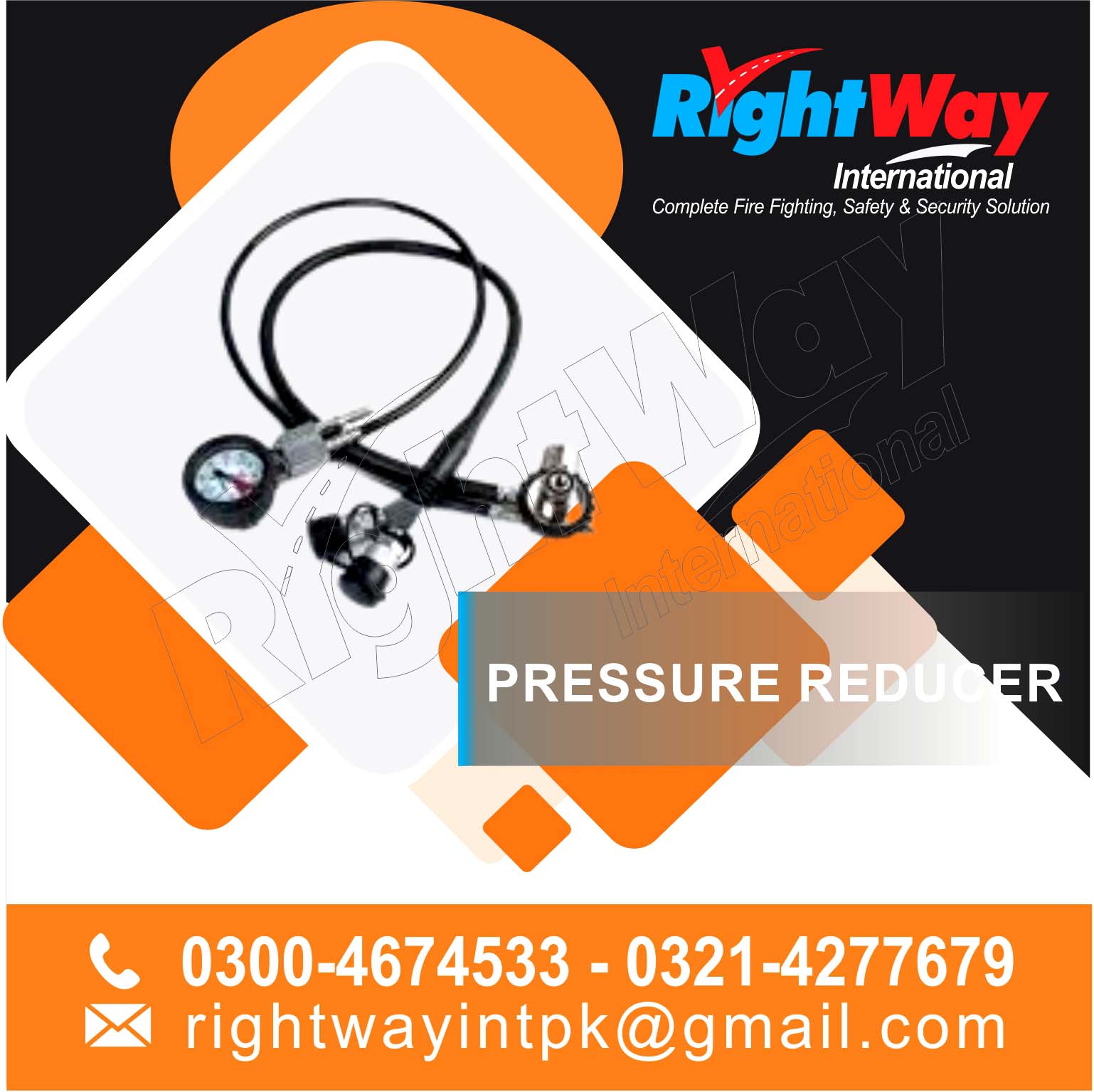
  • Pressure Reducer

    Pressure Reducer

    Pressure Reducer Self-Contained Breathing Apparatus (SCBA) units are essential safety tools for firefighters, emergency responders, and industrial workers. These systems deliver clean air in hazardous environments where breathable air is not available. A key component of the SCBA is the pressure reducer, which regulates airflow and ensures the system operates safely and efficiently. This article outlines the function, significance, and care of the SCBA pressure reducer.


    What Is an SCBA Pressure Reducer?

    The pressure reducer is a device built into the SCBA. It manages the high-pressure air from the cylinder and reduces it to a safe level for inhalation. SCBA cylinders typically store air at pressures between 3,000 and 4,500 psi. The reducer lowers this to a consistent pressure, usually between 80 and 100 psi, suitable for breathing.


    Functions of the Pressure Reducer

    1. Pressure Regulation

    The main role of the pressure reducer is to convert high-pressure air from the cylinder to a lower, steady pressure. This ensures the air is safe to inhale and helps prevent over-pressurization.

    2. Consistent Airflow

    The reducer also ensures that airflow remains stable, matching the user’s breathing needs. This allows the system to deliver air smoothly, even during intense activity.

    3. Safety Control

    By preventing sudden spikes or drops in air pressure, the reducer helps avoid breathing difficulties and mechanical malfunctions during emergencies.


    Why the Pressure Reducer Is Important

    1. Reliable Performance

    A properly working reducer is vital for the safe operation of the SCBA. It guarantees the air supply remains consistent and within safe limits.

    2. User Comfort

    Stable air pressure not only protects the user—it also improves comfort. Inconsistent airflow can cause distraction, stress, or even injury in high-risk scenarios.

    3. Efficient Air Use

    Because it regulates the pressure effectively, the reducing helps maximize the air supply. This can make a critical difference during extended emergency situations.


    Maintenance and Inspection Tips

    1. Perform Routine Checks

    Inspect the pressure reducing often. Look for wear, leaks, or signs of damage. Confirm that it maintains the correct pressure.

    2. Schedule Calibration

    Calibrate the reducer periodically to ensure accuracy. This task should be performed by trained professionals during routine SCBA servicing.

    3. Clean Correctly

    Keep the reducer clean by following the manufacturer’s guidelines. Avoid exposing it to dust, oil, or moisture that could interfere with its operation.

    4. Replace When Needed

    Replace any worn or damaged parts without delay. A faulty reducer compromises safety and can affect the entire SCBA system.


    Conclusion

    The SCBA pressure reducing plays a crucial role in delivering clean, controlled air to users in dangerous environments. It protects the wearer by regulating pressure, maintaining steady airflow, and improving overall comfort. To keep SCBA units reliable, users must inspect, clean, and service the reducer regularly. With proper maintenance, the pressure reducing ensures the SCBA performs when it’s needed most.

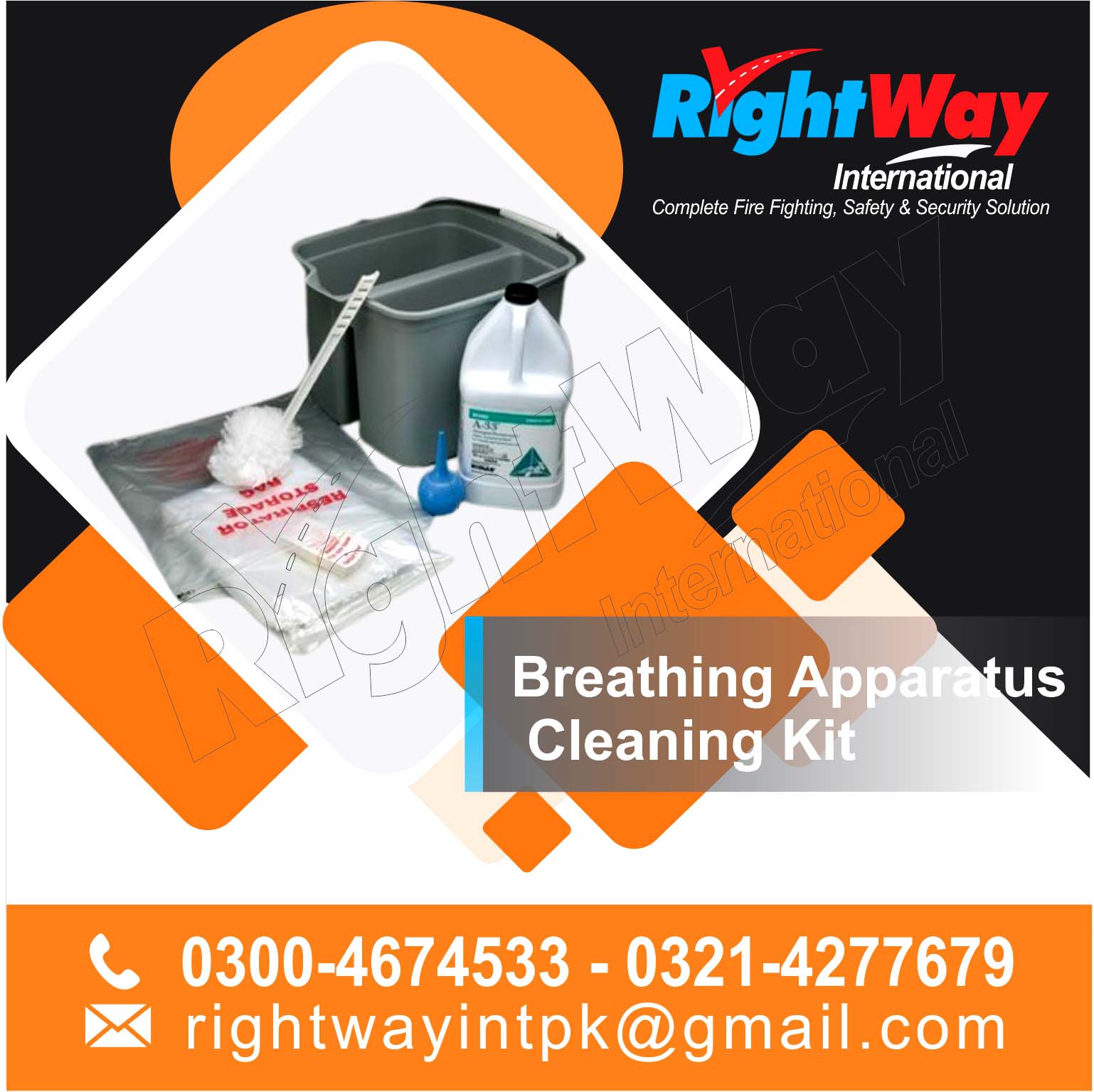
  • Breathing Apparatus Cleaning Kit

    Breathing Apparatus Cleaning Kit

    Breathing Apparatus Cleaning Kit is essential for maintaining respiratory protection equipment such as SCBA (Self-Contained Breathing Apparatus). Regular cleaning and disinfection ensure hygiene, extend equipment life, and maintain user safety. This guide outlines the purpose, key components, proper use, and care of cleaning kits for breathing apparatus systems.


    1. Why Cleaning Kits Matter

    Proper cleaning of breathing apparatuses is not just about hygiene—it’s about ensuring functionality and safety. Here’s why they’re vital:

    • Hygiene: Removes sweat, bodily fluids, smoke residue, and airborne contaminants. This helps prevent the buildup of bacteria, mold, and mildew.
    • Functionality: Prevents dirt and grime from damaging seals, valves, or filters, ensuring consistent performance.
    • Safety: Clean equipment performs reliably, helping users breathe safely in critical environments.

    2. Core Components of a Breathing Apparatus Cleaning Kit

    Cleaning kits vary by application, but most contain these standard items:

    • Mild Detergents: Designed to remove grease and surface contaminants.
    • Disinfectants: Eliminate bacteria, viruses, and fungi without harming sensitive parts.

    Cleaning Tools

    • Soft Brushes: Ideal for cleaning facepieces and lenses without scratching them.
    • Stiff Brushes: Used for harder components like harnesses or valves.
    • Non-Abrasive Sponges: Provide additional cleaning power for delicate surfaces.

    Drying & Wiping Materials

    • Lint-Free Cloths or Wipes: Used for drying and wiping down equipment.
    • Drying Towels or Racks: Ensure complete air drying to prevent mold formation.

    Safety Accessories

    • Protective Gloves: Protect hands from chemicals during the cleaning process.
    • Instruction Manual: Offers cleaning guidelines, dilution ratios, and safety tips.

    3. Types of Cleaning Kits

    Depending on the user’s needs, cleaning kits may come in different formats:

    • Basic Kits: Include only essential items like detergent, a brush, and a cloth. Ideal for small teams or routine cleaning.
    • Advanced Kits: May contain specialized disinfectants, air-dry racks, or ultrasonic cleaning tools. Suited for large departments or high-usage gear.
    • Portable Kits: Lightweight and compact—perfect for fieldwork or on-site decontamination.

    4. Where They’re Used

    Breathing apparatus cleaning kits are critical in the following settings:

    • Firefighting: Remove soot, carcinogens, and chemical residues from SCBAs after exposure.
    • Industrial Worksites: Clean equipment used in chemical plants, confined spaces, or dusty environments.
    • Emergency Services: Maintain readiness of rescue or HAZMAT response gear.
    • Confined Spaces: Ensure cleanliness in environments with limited ventilation or higher contamination risks.

    5. Cleaning Procedure: Step-by-Step

    To clean a breathing apparatus properly, follow these general steps:

    1. Disassemble the Equipment

    Take apart the facepiece, harness, filters, and other detachable parts as per the manufacturer’s instructions.

    2. Clean Each Component

    Use a mild detergent and soft brushes on delicate areas. For durable parts, such as straps or regulators, a firmer brush may be appropriate.

    3. Rinse Thoroughly

    Make sure no detergent or disinfectant remains, as residue can interfere with performance or irritate the user’s skin.

    4. Dry Completely

    Allow components to air dry or use clean towels. Moisture trapped inside can lead to mold or bacterial growth.

    5. Reassemble and Inspect

    Once dry, reassemble the apparatus. Inspect seals, filters, and valves for wear or damage, and replace any compromised components.


    6. Kit Maintenance and Storage

    Maintaining your cleaning kit is just as important as maintaining your SCBA:

    • Regular Replenishment: Replace used wipes, worn brushes, or expired solutions.
    • Proper Storage: Store in a cool, dry location away from direct sunlight and heat.
    • Labeling: Keep bottles and tools clearly labeled to avoid misuse.

    7. Safety Precautions

    To ensure safe use of your cleaning kit:

    • Use Personal Protective Equipment (PPE): Gloves and safety goggles prevent exposure to chemicals.
    • Ensure Ventilation: Perform cleaning in a well-ventilated area to avoid inhaling fumes.
    • Follow Instructions: Adhere to dilution ratios and application guidelines provided by the manufacturer.

    8. Compliance with Safety Standards

    Cleaning procedures should meet applicable national and international standards, including:

    • OSHA (Occupational Safety and Health Administration)
    • NIOSH (National Institute for Occupational Safety and Health)
    • ANSI (American National Standards Institute)
    • CEN (European Committee for Standardization)

    These ensure that both equipment and cleaning methods support user safety and regulatory compliance.


    Conclusion

    A Breathing Apparatus Cleaning Kit plays a key role in protecting workers and maintaining the performance of life-saving equipment. By using the right tools, following proper procedures, and conducting regular inspections, users can ensure their respiratory equipment is clean, safe, and ready for action. Whether in firefighting, industry, or emergency response, maintaining respiratory gear should always be a top priority.

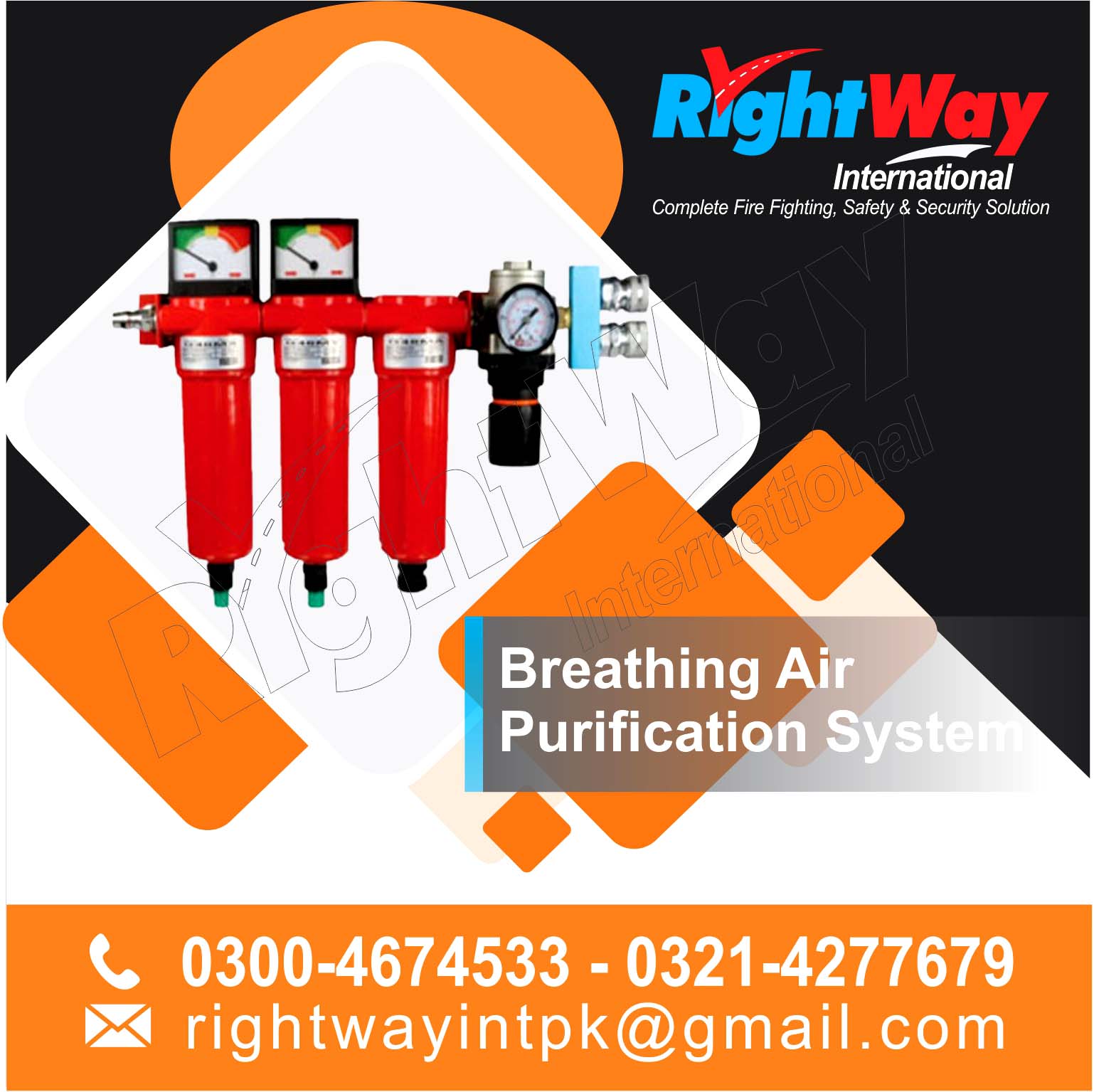
  • Breathing Air Purification System

    Breathing Air Purification System

    Breathing Air Purification System ensures that air supplied to respirators and breathing apparatus is clean, safe, and free from harmful contaminants. These systems are vital in industrial settings, emergency response, and confined spaces, where air quality may be compromised.


    1. Purpose and Importance

    Breathing air purification systems serve several critical functions:

    Removing Contaminants

    They filter out harmful substances like dust, fumes, gases, and vapors using specialized filters.

    Ensuring Safety

    By supplying clean air, these systems protect users from respiratory hazards, enhancing overall safety in dangerous environments.

    Meeting Regulatory Standards

    They are designed to comply with safety standards to ensure air quality meets legal and health requirements.


    2. Key Components of the System

    Air Intake

    This is the entry point where ambient air enters the system. It typically includes pre-filters to eliminate large particles.

    Filtration Mechanisms

    Different filters target various types of contaminants:

    • Particulate Filters remove solid particles like dust and pollen.
    • Activated Carbon Filters absorb chemical fumes and odors.
    • Chemical Scrubbers neutralize specific substances, such as acids or bases.

    Compressor

    Some systems use a compressor to pressurize air, increasing filtration efficiency and ensuring effective air distribution.

    Pressure Regulators

    These components control air pressure for consistent flow and safe system operation.

    Air Distribution System

    Purified air is delivered through hoses, connectors, and regulators to the respirators or breathing apparatus.

    Monitoring and Control Units

    These include sensors and gauges to monitor:

    • Air quality
    • Pressure levels
    • Filter status

    Alarms or indicators notify users when maintenance is required or if the air quality drops.

    Maintenance Components

    Spare filters, cleaning supplies, and replacement parts are essential for routine upkeep and optimal system performance.


    3. Types of Breathing Air Purification Systems

    Standalone Purifiers

    Independent units that clean air before it reaches the respirator. These are common in both industrial and emergency settings.

    Integrated Systems

    Built into larger respiratory setups, like SCBA (Self-Contained Breathing Apparatus) or airline respirators, offering compact solutions.

    Portable Purifiers

    Mobile systems that provide flexible air purification in temporary or changing environments.

    Fixed Installations

    Permanent systems, typically installed in factories or labs, to continuously purify air in specific areas.


    4. Common Applications

    Industrial Environments

    Used in chemical plants, manufacturing sites, and laboratories to protect workers from airborne contaminants.

    Emergency Response

    Firefighters and rescue teams rely on these systems during operations in hazardous conditions.

    Confined Spaces

    Essential in places with limited ventilation, like tanks, tunnels, or underground facilities.

    Diving Operations

    Ensure divers receive safe, purified air in surface-supplied diving systems.


    5. Maintenance and Care

    Routine Inspections

    Inspect the system regularly to identify signs of wear, damage, or malfunction.

    Filter Replacement

    Replace filters as recommended by the manufacturer or when they show signs of saturation or clogging.

    System Cleaning

    Clean system components using approved agents to maintain hygiene and performance.

    Calibration and Testing

    Test and calibrate the system periodically to confirm that it delivers safe, breathable air and meets operational standards.


    6. Safety Considerations

    To ensure safe use and maintenance of the system:

    User Training

    All personnel must be trained to operate, maintain, and troubleshoot the purification system.

    Emergency Preparedness

    Develop contingency plans in case the system fails or becomes compromised.

    Standards Compliance

    Adhere to all relevant health and safety regulations to ensure effective air purification.


    7. Regulatory Compliance

    These systems must meet standards set by leading regulatory bodies, including:

    • OSHA (Occupational Safety and Health Administration)
    • NIOSH (National Institute for Occupational Safety and Health)
    • CEN (European Committee for Standardization)
    • ANSI (American National Standards Institute)

    Conclusion

    Breathing air purification systems play a critical role in safeguarding workers and responders exposed to hazardous environments. Understanding their components, types, and applications—along with regular maintenance and adherence to safety standards—ensures they remain effective and reliable. By investing in proper care and training, users can maintain a consistent supply of clean, breathable air and minimize risks associated with poor air quality.

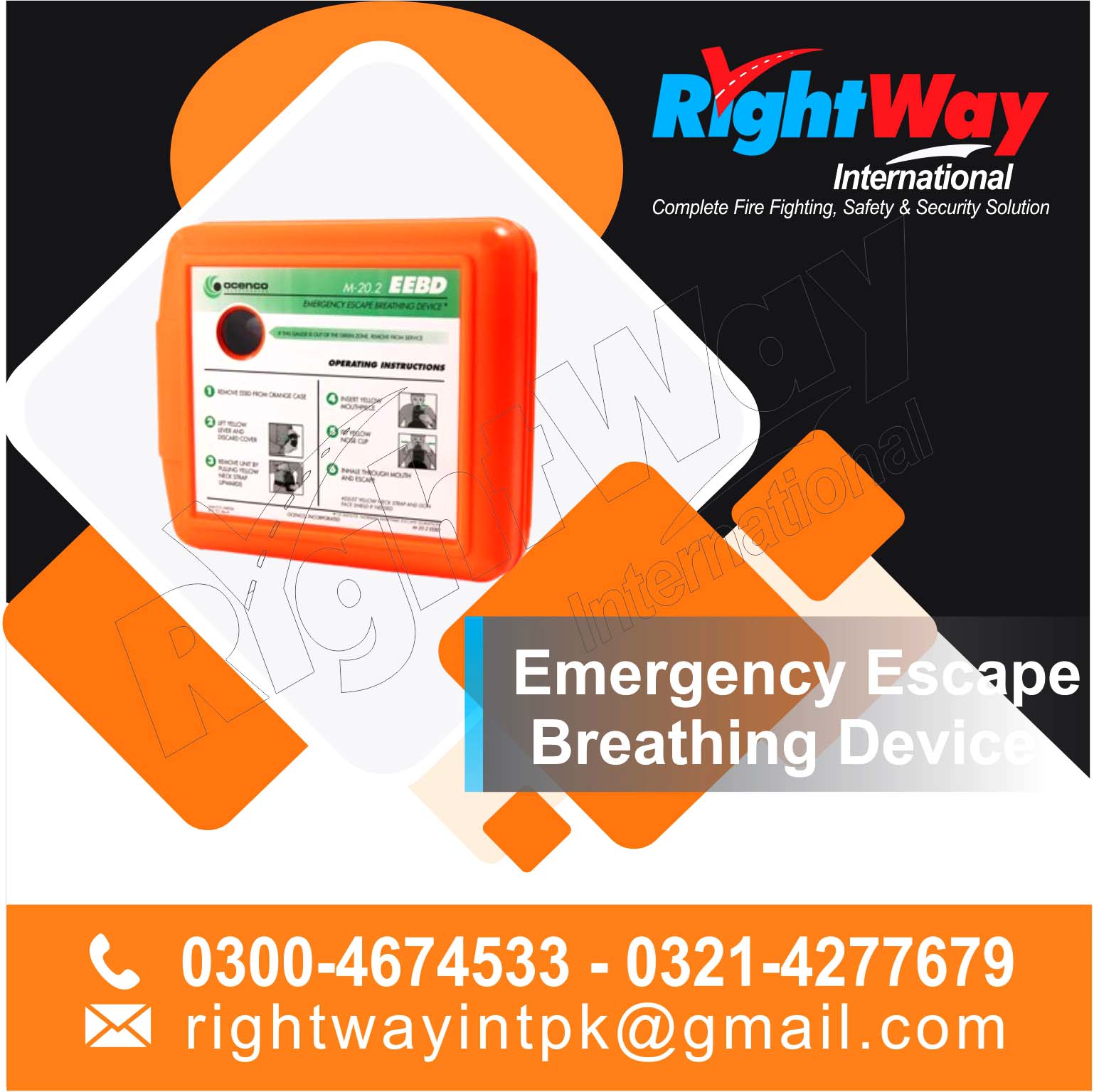
  • Emergency Escape Breathing Device

    Emergency Escape Breathing Device

    Emergency Escape Breathing Device (EEBD) is a vital piece of safety equipment designed to provide short-term respiratory protection during emergencies. It enables individuals to evacuate quickly and safely from environments compromised by smoke, toxic gas, or insufficient oxygen.


    1. Purpose and Importance of Emergency Escape Breathing Device

    Immediate Respiratory Protection

    An EEBD offers an instant supply of breathable air or oxygen. This is essential during emergencies when the surrounding atmosphere becomes hazardous due to contaminants.

    Safe Evacuation

    By supplying clean air, the device allows users to exit dangerous areas swiftly and safely, often guiding them through smoke-filled or gas-exposed paths.

    Regulatory Compliance of Emergency Escape Breathing Device

    EEBDs are engineered to meet safety regulations across industries, ensuring that employers and operators follow mandatory escape protocols in hazardous workplaces.


    2. Key Components of an EEBD

    Understanding the parts of an EEBD helps in both its use and maintenance:

    Breathing Apparatus

    The heart of the device, it includes:

    • Facepiece or Hood: Covers the user’s face to ensure a tight seal and clear vision.
    • Air Supply Unit: Delivers breathable air via a compressed air cylinder or chemical oxygen generator.
    • Regulator: Manages the air flow, maintaining a steady and safe supply of oxygen.

    Support Components

    • Harness or Straps: Secure the device to the user for ease of movement.
    • Carrying Case: Protects the EEBD and makes it easy to access in emergencies.
    • Instruction Manual: Offers guidance on proper usage, inspection, and storage.

    3. Types of Emergency Escape Breathing Device

    EEBDs come in several forms, each suited to different scenarios:

    Self-Contained Breathing Apparatus (SCBA)

    SCBAs deliver breathable air from a compressed cylinder and are ideal in environments where outside air is completely unusable.

    Escape Respirators

    These devices often use chemical filters or oxygen-generating chemicals. They provide sufficient air for short evacuations and are lighter and more compact.

    Emergency Oxygen Masks

    Simple and portable, these offer a quick supply of oxygen from a small cylinder or chemical oxygen source, intended for brief, immediate use.


    4. Common Applications

    EEBDs are essential in various industries where air quality can rapidly deteriorate:

    Industrial Facilities

    Used in factories, refineries, and chemical plants where sudden releases of gas or toxic substances are a risk.

    Maritime Environments

    Ships and offshore platforms require EEBDs to help crew members escape fires or gas leaks safely.

    Mining Operations

    Miners rely on these devices to exit tunnels or shafts when ventilation fails or when dangerous gases are present.

    Commercial Buildings

    Buildings with fire or chemical hazards benefit from EEBDs to ensure safe evacuation for occupants.


    5. Maintenance and Care

    For EEBDs to function correctly in emergencies, consistent maintenance is essential:

    Regular Inspections

    Check for signs of wear, damage, or expired components. Make sure air supplies are full and facepieces are intact.

    Proper Cleaning

    Clean the facepiece and other components as instructed by the manufacturer. Avoid using aggressive chemicals that might degrade the materials.

    Safe Storage

    Store the device in a clean, dry area away from direct sunlight, dust, and extreme temperatures. It should be easy to access in an emergency.

    Timely Replacement

    Replace expired or damaged parts—especially the air supply and filters—to guarantee reliability during actual use.


    6. Safety Considerations of Emergency Escape Breathing Device

    To maximize safety and preparedness:

    Comprehensive Training

    All potential users must be trained in donning, operating, and removing the EEBD efficiently and quickly.

    Routine Drills and Checks

    Regularly conduct evacuation drills and perform device checks to ensure everyone is familiar with the equipment and that it’s functioning properly.

    Regulatory Adherence

    Follow all applicable local and international standards to ensure compliance and avoid fines or liability.


    7. Regulatory Compliance of Emergency Escape Breathing Device

    EEBDs must meet specific guidelines established by safety authorities, including:

    • OSHA – Occupational Safety and Health Administration
    • NIOSH – National Institute for Occupational Safety and Health
    • CEN – European Committee for Standardization
    • ANSI – American National Standards Institute

    Compliance ensures the device performs reliably under real emergency conditions.


    Conclusion

    An Emergency Escape Breathing Device is more than a precaution—it’s a life-saving tool. By understanding its components, types, and proper maintenance, users can ensure they’re prepared to act swiftly and safely in emergencies. With regular inspections, correct usage, and strict adherence to safety standards, EEBDs remain a reliable part of any comprehensive safety strategy.

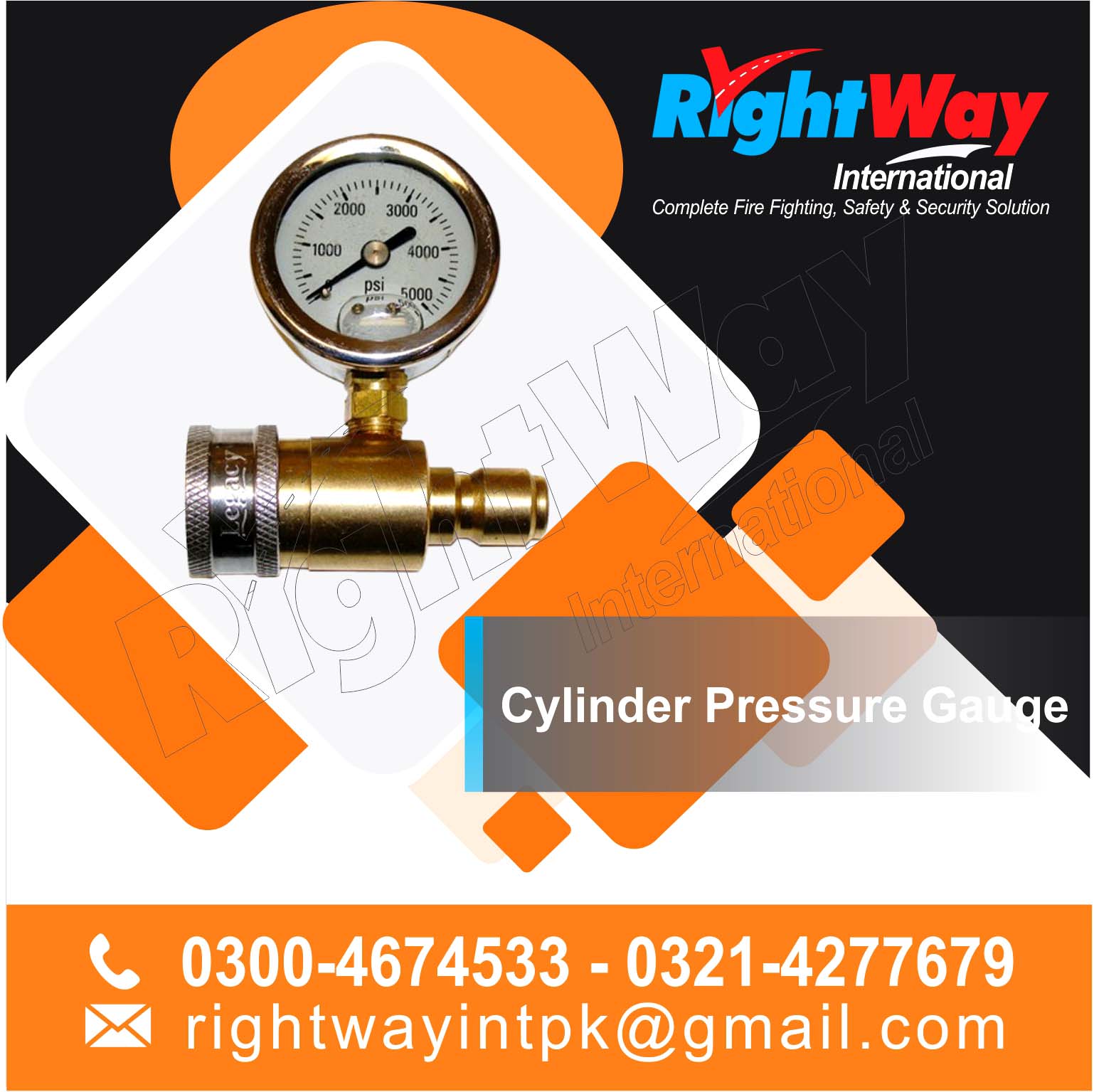
  • Cylinder Pressure Gauge

    Cylinder Pressure Gauge

    Cylinder Pressure Gauge plays a vital role in the safe and effective use of breathing apparatus systems such as Self-Contained Breathing Apparatus (SCBA) and airline respirators. It delivers real-time pressure readings, enabling users to monitor their air supply and avoid dangerous situations.


    1. Purpose and Importance

    The cylinder pressure gauge serves several critical functions in respiratory protection:

    Monitoring Air Supply

    It clearly displays the current air pressure inside the cylinder, helping users track how much breathable air remains.

    Ensuring User Safety

    By keeping users informed about their air levels, the gauge helps prevent the risk of running out of air in hazardous or enclosed environments.

    Preventing Equipment Failure

    It provides early warnings of pressure irregularities, allowing users to detect problems with the regulator or cylinder before failure occurs.


    2. Components of a Cylinder Pressure Gauge

    A standard pressure gauge consists of several key parts:

    Gauge Face

    This is the visible part of the gauge. It includes:

    • Dial: Displays pressure values in psi or bar.
    • Needle: Moves across the dial to show the current pressure level.
    • Protective Cover: Often made from glass or acrylic, it shields the dial from dust, impact, and contamination.

    Pressure Sensor

    Located inside the gauge, this sensor detects internal cylinder pressure and translates it into a readable format on the gauge face.

    Housing

    The outer shell protects internal components from damage. It’s commonly made from stainless steel, aluminum, or high-grade plastic to withstand rough conditions.

    Connection Fitting

    This part connects the gauge to the air cylinder. A tight and secure connection is essential for accuracy and safety.


    3. Types of Cylinder Pressure Gauges

    Cylinder pressure gauges come in a few different types, each suited for specific applications:

    Analog Gauges

    These use a mechanical needle and dial to indicate pressure. They are simple, durable, and widely used due to their reliability.

    Digital Gauges

    Digital versions offer pressure readings on an LCD screen. Additionally, many include features such as low-pressure alarms, backlighting, and data logging.

    Integrated Gauges

    These are built directly into the regulator or valve, providing a more compact and streamlined design without sacrificing functionality.


    4. Common Applications

    Cylinder pressure gauges are essential in many safety-critical fields:

    Firefighting

    Firefighters use SCBA units with gauges to monitor air supply in real time, which is crucial during high-risk operations.

    Industrial Safety

    In sectors like chemical manufacturing, mining, or confined space work, pressure gauges help ensure that workers always have access to clean air.

    Emergency Response

    Emergency medical teams and hazardous material units rely on accurate gauge readings to avoid equipment failure in life-threatening situations.

    Diving

    Divers, especially those using SCUBA or surface-supplied systems, depend on pressure gauges to track their remaining air supply underwater.


    5. Maintenance and Care Tips

    To maintain gauge accuracy and extend its lifespan, consider these practices:

    Regular Inspections

    Check the gauge at least monthly for damage, incorrect readings, or leaks. Ensure that it is securely attached to the air cylinder.

    Scheduled Calibration

    Follow the manufacturer’s calibration guidelines to maintain accuracy. Calibration is often required annually or after heavy use.

    Cleaning

    Use a soft, damp cloth to clean the gauge face. Avoid strong solvents or abrasive materials that could scratch or damage the components.

    Prompt Replacement

    Immediately replace any gauge that shows signs of malfunction, physical wear, or erratic readings. Never ignore inconsistent pressure indications.


    6. Safety Considerations

    When handling and using pressure gauges, always follow these safety precautions:

    • Install Correctly: Make sure the gauge is tightly and correctly fitted to prevent air leaks and ensure accurate readings.
    • Monitor Continuously: Always keep an eye on the gauge during use to avoid unexpectedly running out of air.
    • Train Personnel: All users should receive proper training on interpreting gauge readings and performing basic troubleshooting.

    7. Regulatory Compliance

    To ensure both performance and safety, pressure gauges must comply with industry standards, such as:

    • OSHA (Occupational Safety and Health Administration)
    • NIOSH (National Institute for Occupational Safety and Health)
    • CEN (European Committee for Standardization)
    • ANSI (American National Standards Institute)

    Adhering to these standards ensures the gauge meets quality and safety benchmarks for professional use.


    Conclusion

    The cylinder pressure gauge is more than just a dial—it’s a lifesaving device that ensures users have enough breathable air when they need it most. By understanding its structure, functionality, and care requirements, users can confidently maintain safety in a variety of high-risk environments. Ultimately, regular maintenance, proper training, and regulatory compliance are key to getting the most reliable performance from this essential piece of equipment.

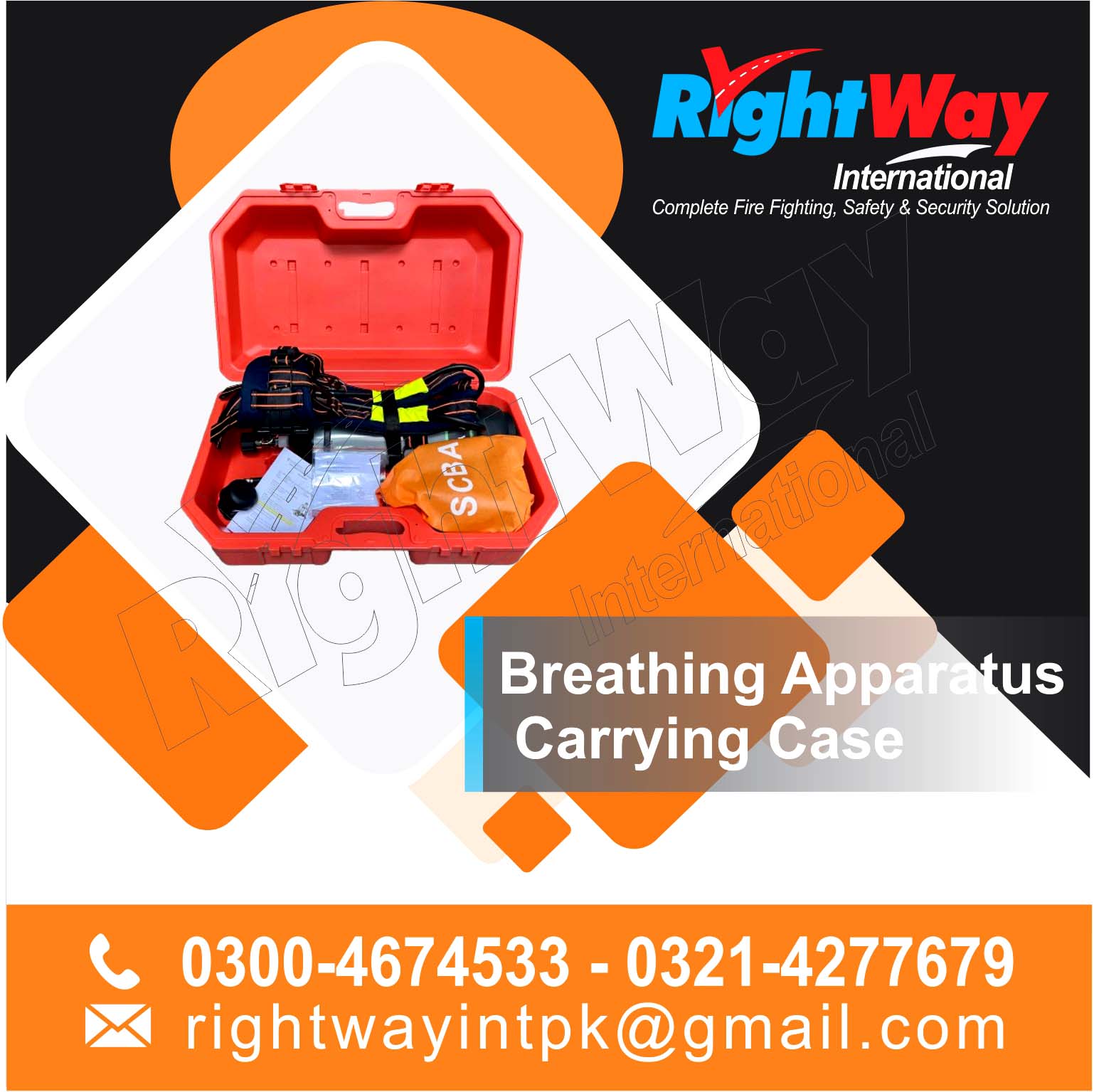
  • Breathing Apparatus Carrying Case

    Breathing Apparatus Carrying Case

    Breathing Apparatus Carrying Case is a specialized container designed to protect, transport, and store respiratory protection equipment, such as Self-Contained Breathing Apparatus (SCBA) and related gear. These cases are vital for ensuring that such life-saving equipment remains in optimal condition and is readily accessible when needed.


    1. Purpose and Importance

    The carrying case serves several key functions:

    • Protection: It shields the breathing apparatus from physical damage, dust, moisture, and environmental contaminants.
    • Organization: It keeps all components of the system organized and easily accessible.
    • Transport: It enables safe and convenient transport of equipment across locations.
    • Storage: It provides a secure and designated space for storage, helping to extend the equipment’s lifespan.

    2. Components of a Breathing Apparatus Carrying Case

    Each case is carefully designed with multiple critical components:

    Case Body

    • Constructed from durable materials like high-density polyethylene (HDPE), polypropylene, or metal alloys.
    • Built to withstand harsh conditions and repeated handling.

    Padding

    • Includes internal foam inserts or padding to cushion the breathing apparatus.
    • Helps prevent movement and minimizes damage during transit.

    Compartments

    • Contains dedicated sections or pockets for components such as:
      • Air cylinders
      • Facepieces
      • Regulators
      • Harnesses

    Closure Mechanisms

    • Zippers: Heavy-duty zippers, often used in fabric cases with reinforced stitching.
    • Latches: Locking or snap latches used in hard cases for enhanced security.

    Handles and Straps

    • Features ergonomic handles or adjustable shoulder straps for ease of transport.

    Ventilation

    • Some models include ventilation ports to promote air circulation, reducing moisture buildup.

    Identification Labels

    • Areas designed for labeling and safety instructions, aiding easy identification during emergencies.

    3. Types of Breathing Apparatus Carrying Cases

    Different types of cases serve various operational needs:

    • Hard Cases: Rigid and extremely durable, ideal for high-impact environments.
    • Soft Cases: Lightweight and flexible, suitable for easy transport and handling.
    • Customized Cases: Designed to fit specific apparatus models, offering optimal organization and protection.
    • Waterproof Cases: Built to resist water ingress, making them suitable for wet or harsh environments.

    4. Applications

    Breathing apparatus carrying cases are used in several fields, including:

    • Firefighting: For transporting SCBA units to and from emergency scenes.
    • Industrial Safety: Used in environments such as chemical plants and factories.
    • Emergency Services: Essential for EMS and disaster response teams.
    • Confined Spaces: Commonly used in operations where workers enter hazardous or restricted areas.

    5. Maintenance and Care

    Proper upkeep is essential for the case’s performance and longevity:

    • Regular Inspections: Look for signs of wear, contamination, or damage.
    • Cleaning: Follow manufacturer guidelines. Use mild detergents for fabric and damp cloths for hard cases.
    • Storage: Store in cool, dry environments, away from direct sunlight or extreme temperatures.
    • Repairs and Replacement: Address any defects promptly, and replace when necessary to maintain equipment safety.

    6. Safety Considerations

    To ensure safe and effective use:

    • Proper Use: Only use the case for its intended purpose.
    • Secure Fastening: Ensure zippers or latches are closed properly to avoid contamination or equipment loss.
    • Training: Provide adequate training on handling and maintenance, especially for first responders or industrial workers.

    7. Regulatory Compliance

    For full reliability and safety, cases must comply with recognized standards:

    • OSHA (Occupational Safety and Health Administration)
    • NIOSH (National Institute for Occupational Safety and Health)
    • CEN (European Committee for Standardization)
    • ANSI (American National Standards Institute)

    Conclusion

    In summary, a Breathing Apparatus Carrying Case plays a crucial role in protecting, organizing, and transporting life-saving respiratory equipment. By understanding its features, types, and care requirements, users can ensure that the equipment remains ready for deployment at all times. Ultimately, regular maintenance, proper training, and adherence to regulatory standards are key to maximizing the case’s lifespan and effectiveness.