

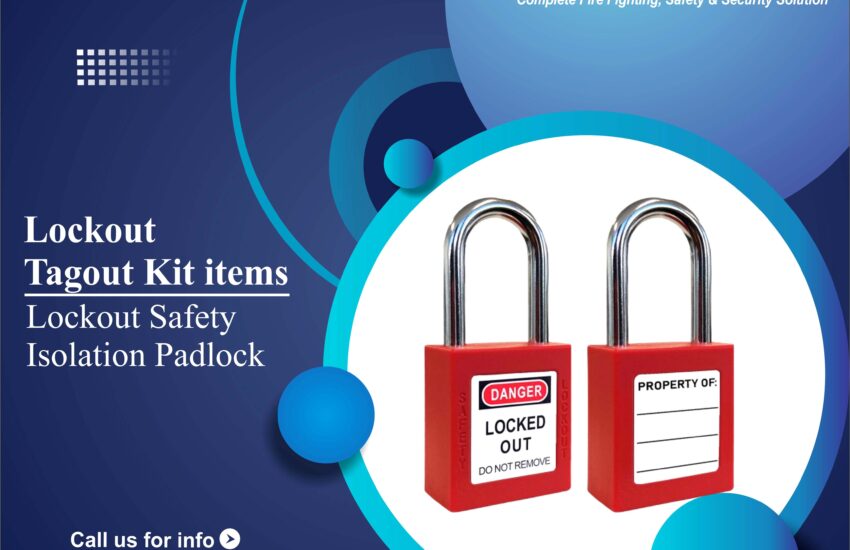
Lockout Safety Isolation Padlock protects workers during Lockout/Tagout (LOTO) procedures by preventing accidental energisation of machinery or equipment. These safety padlocks offer either a chrome-plated steel shackle for strength or a non-conductive nylon shackle for electrical safety. Because they meet the needs of electrical, mechanical, and industrial environments, they support strict compliance with workplace safety standards.
Key Types for Lockout Padlocks
Selecting the correct key type strengthens LOTO reliability and reduces the chance of unauthorised access.
1. Keyed Different (KD)
Each padlock includes two unique keys, and no other padlock uses the same key. This option gives every worker personal control over their isolation point, so it suits individual safety applications.
2. Keyed Alike (KA)
A keyed-alike system allows one key to open all padlocks in the same group. Because this system increases convenience, many teams choose it for shared tasks. However, workers should remain aware that duplicate keys may circulate across wider groups.
Padlock Specifications
These padlocks deliver consistent performance in demanding industrial environments, and their design ensures dependable isolation during maintenance.
- 38mm shackle height (locked)
- 6.5mm shackle diameter
- 90mm total length
- Chrome-plated steel or non-conductive nylon shackle options
- Purpose-built for Lockout/Tagout, energy isolation, and industrial safety
Lockout Padlock Colour Coding System
A clear padlock colour coding system helps workers quickly identify hazard levels. Although many facilities operate with custom internal rules, most follow the colour meanings listed below.
Available Colours
- Red
- Yellow
- Blue
- Green
- Purple
- Orange
- Black
- White
- Pink
What Each Isolation Padlock Colour Means
Red – Highest Risk
Red signals immediate danger. Workers use red padlocks when they need the strictest control of hazardous energy, and this colour delivers the strongest visual warning.
Yellow – High Visibility and Moderate/Severe Risk
Yellow padlocks appear in many facilities because they stand out clearly. They suit tasks that involve serious risk yet remain slightly less severe than red-level operations.
Blue and Green – General Industrial Use
Although these colours are not as common, many Australian workplaces still use them for standard isolation jobs. They provide variety for teams that prefer departmental or task-specific colour separation.
Orange, Black, and White – Low-Risk or Special Policy Use
These colours usually support low-risk isolations or specialised internal policies. They also help facilities organise tasks neatly across departments or hazard levels.
Why a Colour-Coding System Improves Safety
A consistent colour scheme improves communication across a worksite. When workers instantly understand hazard levels, they make faster decisions and reduce confusion during isolation procedures. As a result, teams operate more safely and complete lockout tasks with greater confidence.
Ultimately, strong colour-coding practices eliminate guesswork and support a safer environment for everyone involved in isolation work.
