

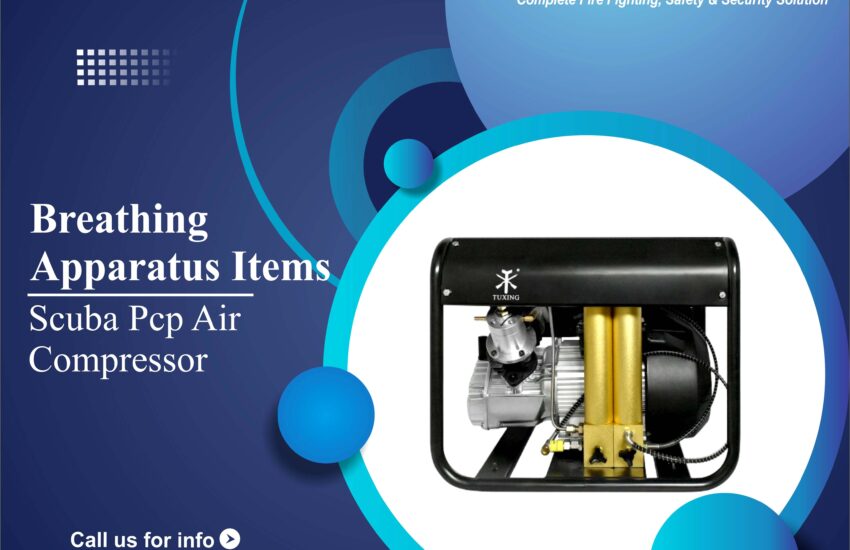
Scuba Pcp Air Compressor is an essential piece of equipment for anyone who regularly fills scuba tanks, PCP air rifles, paintball cylinders, or high-pressure breathing systems. Modern units are compact, energy-efficient, and designed for high-pressure output, making them ideal for both recreational and professional use. This article explores everything you need to know—features, benefits, maintenance, safety, and buying tips—presented in a clear, human-friendly format.
What Is a Scuba PCP Air Compressor?
A Scuba PCP Air Compressor is a high-pressure compressor designed to fill air storage cylinders at 200–4500 PSI (200–310 bar). These compressors are widely used in:
- Scuba diving
- PCP (Pre-Charged Pneumatic) air rifles
- Paintball
- Firefighter breathing apparatus
- High-pressure air tools
Unlike standard air compressors, a PCP/scuba compressor produces clean, dry, breathable high-pressure air.
Key Benefits of Using a Scuba PCP Air Compressor
1. Consistent High Pressure
These compressors can reach pressures that standard garage compressors cannot achieve—ideal for PCP guns and diving tanks.
2. Cost-Effective Over Time
Frequent scuba or PCP users can save hundreds of dollars by filling their own cylinders instead of visiting filling stations.
3. More Convenience
Avoid long trips to dive shops or paintball stores. Get clean, filtered air whenever you need it.
4. Improved Air Quality
Most units feature built-in:
- Air filtration
- Moisture traps
- Oil-water separators
This ensures dry, oxygen-safe, breathing-grade air (depending on the model).
Important Features to Look For
When choosing a Scuba PCP Air Compressor, consider the following:
1. Pressure Output
- 3000 PSI (207 bar) – for most PCP rifles
- 4500 PSI (310 bar) – for scuba and paintball tanks
2. Cooling System
Options include:
- Air-cooled compressors – compact and portable
- Water-cooled compressors – ideal for longer continuous use
3. Power Type
You’ll find units in:
- Electric (110v/220v)
- Battery-powered
- Car adapter (12V)
- Gas-powered
4. Filtration System
Look for:
- Activated carbon filters
- Molecular sieves
- Desiccant filters
Better filtration = safer breathing air.
5. Automatic Shutoff
Automatically stops when the desired pressure is reached—safer and easier.
Best Uses for a Scuba PCP Air Compressor
✔ Scuba Diving
Fill your own tanks at home or on-site during trips.
✔ PCP Air Rifles
A must-have for shooters who require consistent high-pressure air.
✔ Paintball Tanks
Reliable and fast filling for HPA cylinders.
✔ Emergency Services
Fire departments and technical rescue teams use them for SCBA tanks.
Safety Tips When Using a PCP/Scuba Compressor
- Always inspect hoses and fittings before use
- Use only high-pressure rated components
- Avoid running the compressor for too long without cooling
- Ensure proper filtration for breathable air
- Never leave the compressor unattended
Safety is crucial when dealing with high-pressure systems.
Maintenance Checklist
To keep your compressor running smoothly:
- Change oil regularly (if oil-lubricated model)
- Replace filters as required
- Clean the water/oil separator
- Inspect the pressure relief valve
- Check for unusual noise or heat
- Store in a dry, cool location
Proper maintenance extends the lifespan of the unit.
A Scuba PCP Air Compressor is a powerful, efficient, and cost-effective tool for divers, PCP shooters, and paintball players. With high-pressure output, clean air filtration, and long-term reliability, owning one provides both convenience and performance. Make sure to choose a compressor that fits your needs—pressure range, cooling system, power type—and follow regular maintenance to keep it running safely and smoothly.
